Blog
What Equipment Does a Veterinarian Have?
A Complete Guide to Essential Veterinary Medical Equipment
Veterinary clinics rely on a wide range of professional medical equipment to diagnose, treat, and care for animals effectively. Whether it’s a small pet clinic or a large animal hospital, having the right veterinary equipment is essential for ensuring accurate diagnosis, safe procedures, and high-quality animal care.
In this article, we will explore the essential equipment that veterinarians use, and how modern veterinary medical devices improve efficiency, safety, and treatment outcomes.
1. Diagnostic Equipment
Accurate diagnosis is the foundation of effective veterinary treatment. Veterinarians use several diagnostic tools to evaluate an animal’s health condition.
Common diagnostic equipment includes:
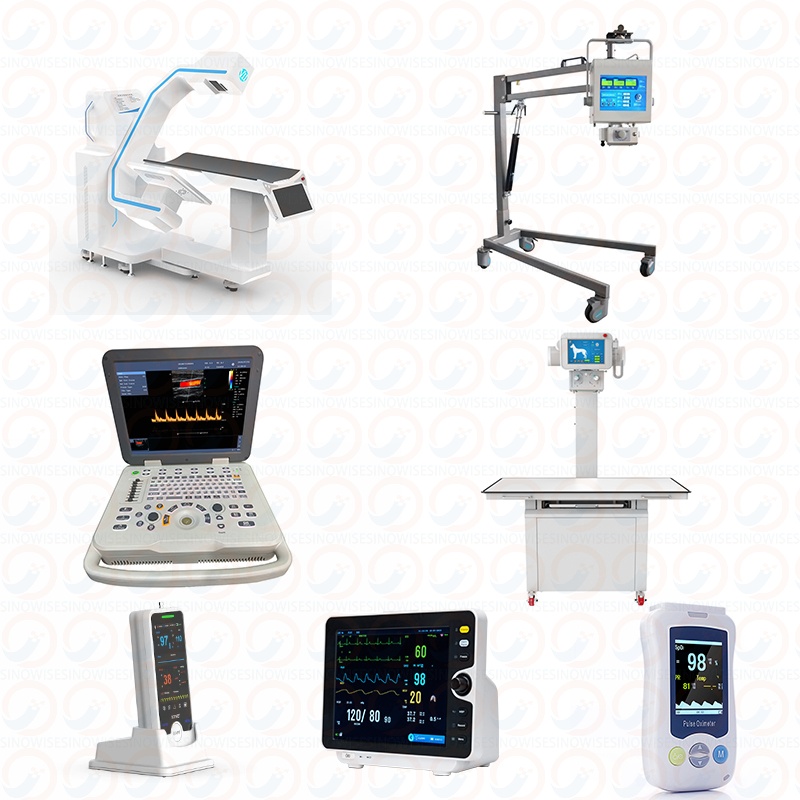
Veterinary ultrasound machines – Used for imaging soft tissues, pregnancy diagnosis, and internal organ evaluation
Veterinary X-ray systems – Essential for detecting fractures, joint issues, and internal abnormalities
Patient monitors – Monitor vital signs such as heart rate, oxygen saturation, and blood pressure
Endoscopes – Allow minimally invasive internal examinations
2. Surgical Equipment
Veterinary surgery requires precision, safety, and reliable instruments. High-quality surgical equipment ensures successful outcomes and minimizes risks during procedures.
Essential veterinary surgical equipment includes:
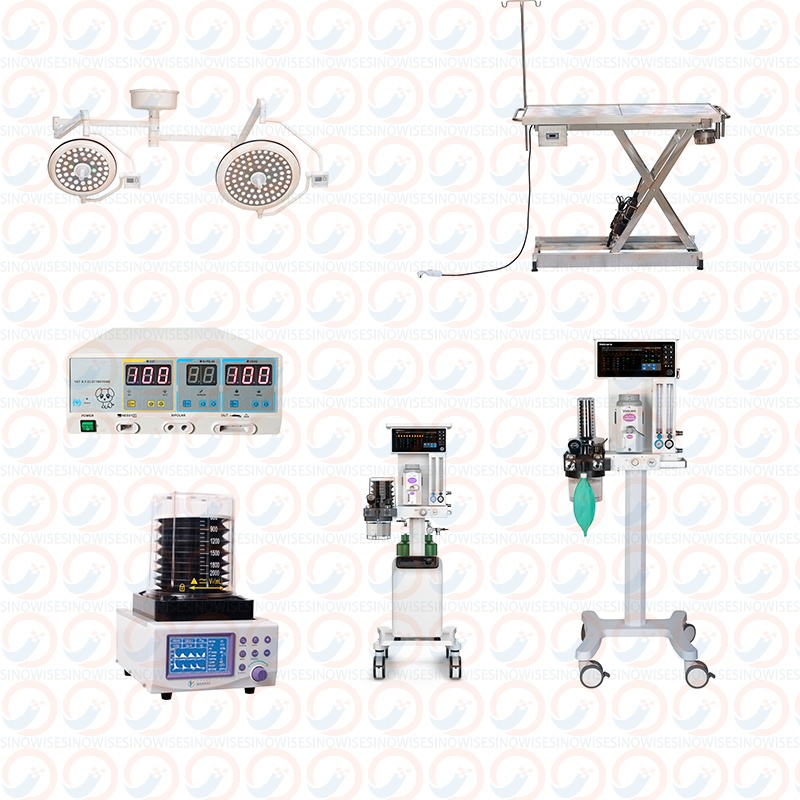
Veterinary surgical tables – Adjustable, stable, and easy to clean
Surgical lights – Provide shadow-free illumination during operations
Electrosurgical units – Used for cutting and coagulation
Veterinary anesthesia machines – Deliver safe and controlled anesthesia
Ventilators – Support respiration during long or complex surgeries
These tools are widely used in spay/neuter surgeries, orthopedic operations, and soft tissue procedures.
3. Dental Equipment
Veterinary dental care is increasingly important, especially for companion animals such as dogs and cats.
Veterinary dental equipment includes:
Ultrasonic dental scalers
Dental polishing machines
Dental X-ray systems
Dental equipment helps veterinarians treat periodontal disease, one of the most common health problems in pets.
4. Laboratory & Testing Equipment
In-house laboratory equipment allows veterinarians to perform quick tests and provide faster diagnoses.
Typical veterinary lab equipment:
Hematology analyzers
Biochemistry analyzers
Centrifuges
Microscopes
These tools support routine health checks, emergency diagnosis, and disease monitoring.
5. Sterilization & Infection Control Equipment
Maintaining a sterile environment is crucial for veterinary clinics and hospitals.
Sterilization equipment includes:
Autoclaves
Ultrasonic cleaners
Instrument drying cabinets
Proper sterilization protects both animals and veterinary staff from infection.
8. Hospital & Recovery Equipment
After treatment or surgery, animals require comfortable and safe recovery conditions.
Common hospital equipment:
Veterinary cages and kennels
Infusion pumps
Warming systems
ICU units for animals
These devices help improve post-operative recovery and patient comfort.
Choosing the Right Veterinary Equipment Supplier
When selecting veterinary medical equipment, clinics should consider:
Product quality and certifications
Reliability and durability
After-sales service and technical support
Customization options
Compliance with international standards
A reliable supplier can help veterinary clinics improve operational efficiency and long-term performance.
About Sinowise Group
Sinowise Group is a professional manufacturer and supplier of veterinary medical equipment, offering a wide range of solutions including:
Veterinary anesthesia machines
Surgical tables and lights
Patient monitoring systems
Diagnostic and clinical equipment
We provide OEM/ODM services, strict quality control, and global export experience to support veterinary clinics, hospitals, and distributors worldwide.
👉 Learn more at www.sinowise.group